Essential Guidelines for Caring for Your Engines & Gearboxes for Durability
Keeping up engines and gearboxes is essential for guaranteeing their longevity and peak performance. Regular maintenance practices can stop costly repairs and enhance reliability. Understanding the importance of inspections, fluid changes, and proper tools is essential for every vehicle owner. However, many miss key elements that contribute to a well-functioning engine and gearbox system. What specific steps can one take to maintain these components remain in prime condition? The answers may surprise you.
How Regular Maintenance Ensures Your Engine Runs Smoothly
Proper maintenance is crucial for confirming that an engine works smoothly and consistently. This practice entails a series of methodical checks and services that enable finding potential difficulties before they expand. Routine tasks such as oil changes, filter replacements, and fluid checks are crucial in preventing wear and tear. Ignoring these can lead to lowered performance, elevated fuel consumption, and ultimately, costly repairs.
Additionally, regular maintenance supports engine longevity by ensuring that all components function harmoniously. Clean fuel injectors and well-lubricated parts lower friction, increasing overall performance. Additionally, periodic inspections can identify signs of corrosion or leaks early on, permitting timely intervention. By sticking to a maintenance schedule, vehicle owners can verify their engines remain in prime condition, thereby enhancing safety and reliability on the road. Fundamentally, regular maintenance is a proactive approach that protects the engine's health and performance.
Critical Tools for Caring for Your Engine and Gearbox
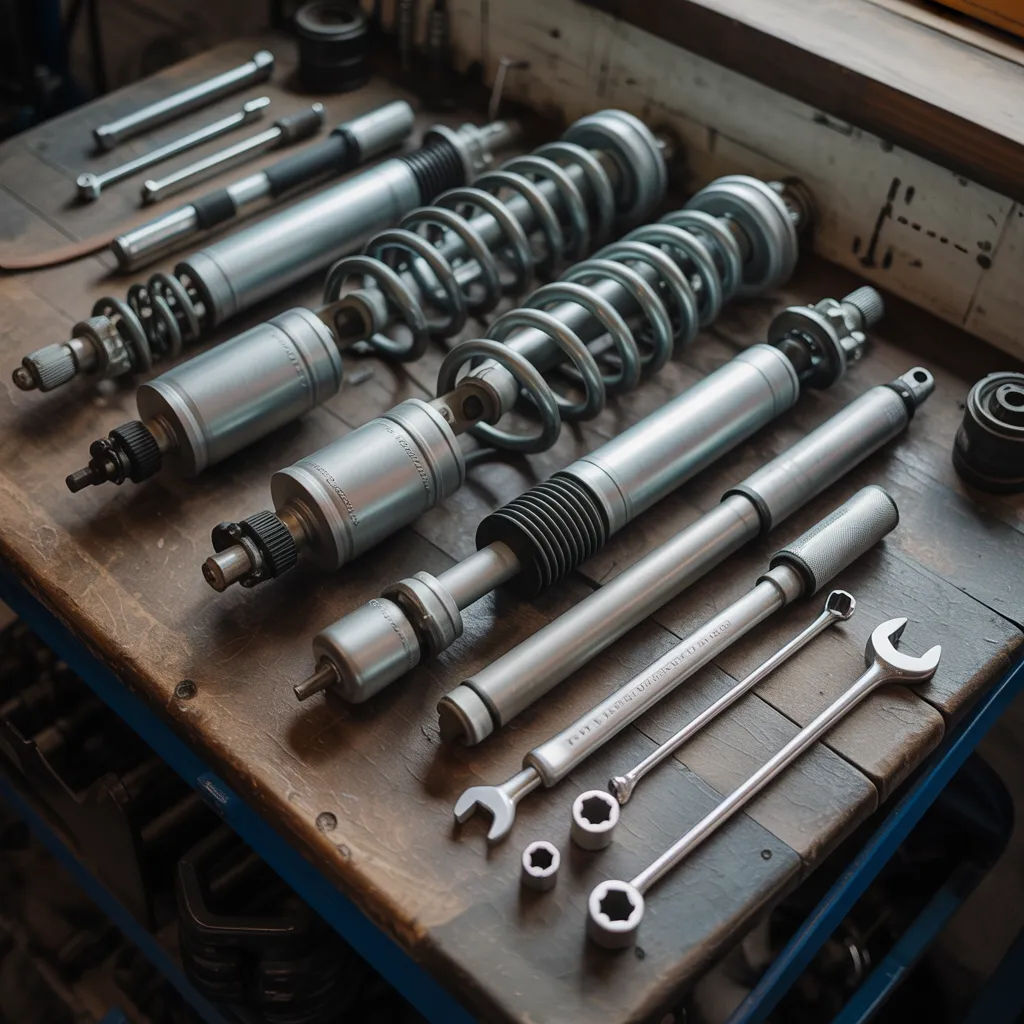
Having a complete toolbox is crucial for those seeking to maintain their gearbox and engine properly. Critical tools encompass a socket set, which delivers the required versatility for adjusting bolts. A torque wrench is vital for providing the right tension, stopping damage during reassembly. Moreover, an oil filter wrench aids in oil changes, guaranteeing efficient maintenance.
A multimeter can assist in diagnosing electrical issues, while a set of screwdrivers—both Phillips and flathead—handles different fastening requirements. Pliers and adjustable wrenches are equally essential for gripping and rotating parts.
Additionally, owning a fluid transfer pump simplifies fluid changes, and a magnetic tray can keep small parts orderly during repairs. Additionally, a premium mechanic's creeper allows effortless access beneath vehicles. Stocking a toolbox with these essential tools will simplify maintenance tasks, consequently supporting the longevity of the engine and gearbox.
Comprehensive Step-by-Step Approach to Routine Inspections
Preserving peak engine and gearbox performance demands more than just the right tools; it also includes conducting regular inspections. A systematic approach can assist in detect potential issues before they escalate.
To start, examine fluid levels, ensuring oil as well as coolant are at proper levels. Look for leaks around seals and gaskets. Then, check belts and hoses for evidence of wear or fraying. Tighten any loose connections to avoid mechanical failures.
After this, listen for unusual sounds during operation, which might indicate underlying difficulties. Monitor temperature gauges and warning lights for abnormalities.
Furthermore, check the air filters and change them when needed to ensure ideal airflow. In conclusion, log all findings and actions taken to build a maintenance history. Consistent inspections facilitate timely detection of concerns, guaranteeing engines and gearboxes perform efficiently and lengthening their operational life.
Strategies for Keeping Engine and Transmission Clean
Keeping the engine and gearbox clean is vital for peak performance and longevity. Regular cleaning assists in preventing the buildup of dirt, grease, and grime that can impede functionality. To preserve cleanliness, one effective strategy is to schedule periodic inspections. During these examinations, any accumulated debris can be swiftly removed.
Using appropriate cleaning agents is crucial. Biodegradable, non-corrosive cleaners are advised to avoid damaging sensitive components. A gentle cloth or brush can be employed to scrub regions without causing surface scratches. Moreover, maintaining clean air filters will boost airflow, decreasing contaminants that enter the engine and gearbox.
It is also recommended to inspect and copyright the integrity of seals and gaskets. Damaged seals can allow dirt to seep in, compromising cleanliness. In addition, maintaining the adjacent area tidy can minimize the risk of dirt and dust moving into the engine and gearbox during repair activities.
Essential Guidelines for Fluid Changes and Levels
Effective maintenance of engine and gearbox fluids is vital for peak performance. Regularly checking fluid levels and adhering to recommended change intervals can prevent potential damage and extend the lifespan of these components. Applying these industry standards assures trustworthy functionality and lowers the probability of costly maintenance.
Recommended Fluid Service Intervals
Although numerous vehicle owners understand the critical nature of fluid changes, understanding the ideal intervals for these changes can greatly improve engine and gearbox performance. Manufacturers usually recommend particular intervals depending on mileage or time, typically ranging from 3,000-10,000 miles for engine oil, according to the type of oil used. Gearbox fluids might require changes every thirty thousand to sixty thousand miles, contingent upon driving conditions. Sticking to these guidelines ensures peak lubrication, minimizes wear, and mitigates overheating. Furthermore, extreme conditions such as towing or frequent short trips can demand more frequent changes. Regularly referencing the owner's manual is vital for customized recommendations, making sure the vehicle performs efficiently and increasing the life of its engine and gearbox.
Examining Oil and Fluid Levels Consistently
Consistently monitoring fluid levels is essential for preserving optimal engine and gearbox performance. This practice aids in detect potential issues before they escalate into high-cost repairs. Fluid levels in the engine oil, transmission fluid, coolant, and differential fluid need to be monitored on a regular basis. A dipstick or sight glass can offer rapid insights into current levels, while a complete inspection can expose leaks or contamination. It is suggested to consult the vehicle's manual for recommended frequency and specific fluid types. Moreover, using top-quality fluids that adhere to manufacturer specifications delivers superior operation. Consistent fluid checks not only enhance performance but also increase the lifespan of engines and gearboxes, ultimately providing improved reliability and efficiency in operations.
Primary Indicators of Wear and Tear to Keep an Eye On
Initial indicators of wear and tear in engines and gearboxes can appear in multiple ways. Operators should remain vigilant for unusual noises during operation, which may indicate underlying issues. Moreover, fluid leaks and overheating during normal use are important signals that maintenance is needed.
Strange Sounds During Operation
What could those strange sounds indicate about an engine or gearbox's health? Uncommon sounds, including grinding, knocking, or whining, frequently act as preliminary indicators of possible problems. Grinding noises could reveal worn-out gears or bearings, while knocking might indicate interior damage or lack of proper lubrication. A whining sound may suggest difficulties with the transmission or components driven by belts. Moreover, a rattling noise may uncover loose elements or installation concerns. Neglecting these sounds might expedite wear and bring about substantial repair costs. Regular monitoring of operational sounds is essential; recognizing these indicators early can facilitate timely interventions, ensuring ideal performance and longevity of the engine and gearbox. Recognition is fundamental to successful upkeep and issue avoidance.
Fluid Leaks Under Your Vehicle
How does one recognize developing issues prior to their escalation? Fluid drips underneath vehicles work as advance signals of likely wear and damage. A driver should routinely check the ground where the vehicle is parked for any unusual stains or puddles. Typical liquids to watch for encompass motor oil, gearbox fluid, antifreeze, and brake liquid, all displaying unique hues and consistencies. For example, engine lubricant usually presents as brown or black, while coolant displays green or orange tones. Identifying the source background information of these leaks can prevent more significant engine or gearbox damage. Consistent checks of tubes and sealing components likewise aid in identifying deterioration prior to leakage, maintaining efficient automobile operation and increasing longevity. Swift intervention proves necessary when seepage is found.
Overheating While in Regular Use
Overheating during normal use can signal underlying issues that require immediate attention. This condition may indicate a failing thermostat, inadequate coolant levels, or a malfunctioning water pump. Initial indicators of deterioration frequently appear as irregular temperature variations and strange motor sounds. Drivers should also monitor for steam rising from the engine compartment or the activation of warning lights on the dashboard. Disregarding these indicators may result in serious motor harm, such as distorted cylinder heads or ruptured gaskets. Consistent checks and immediate maintenance are vital to stop overheating and secure maximum efficiency. Preserving correct liquid levels and swapping damaged elements can substantially increase the longevity of engines and gearboxes, fostering extended life and trustworthiness.
When Is It Time to Call a Mechanic for Engine and Gearbox Concerns?
Identifying the right point to consult a mechanic for engine and gearbox problems can often be challenging for vehicle owners. Recognizing early warning signs is crucial. If the engine exhibits unusual noises, such as knocking or grinding, or if there's a noticeable drop in performance, these may indicate underlying concerns. In addition, persistent warning lights on the dashboard should never be ignored, as they often indicate important problems requiring professional attention.
Leaking fluids, particularly oil or transmission fluid, demand immediate attention, as they can lead to severe damage if left unaddressed. Additionally, if the gearbox displays symptoms of slipping, rough shifting, or unusual vibrations, it's recommended to seek expert assistance promptly. Regular maintenance is crucial, but knowing when to consult a mechanic can stop costly repairs and lengthen the longevity of the vehicle. Timely intervention guarantees that minor issues do not escalate into major, expensive repairs.
Frequently Asked Questions
How Regularly Should I Examine My Engine and Gearbox Fluids?
Motor and transmission fluids should be examined on a regular basis, best every month or before long drives. This guarantees optimal performance and helps spot potential concerns early, contributing to the longevity and efficiency of the vehicle's components.
Is It Possible to Do Maintenance Myself, or Should I Employ a Professional?
A person can carry out basic maintenance personally if knowledgeable, but employing a professional delivers expertise and decreases risk. In the end, the decision relies on a person's confidence, skills, and the complexity of the maintenance tasks needed.
What Are the Symptoms of a Defective Gearbox?
Symptoms of a failing gearbox include unusual noises, difficulty shifting gears, fluid leaks, burning odors, and vibrations. These indicators often point to internal damage, requiring immediate attention to avert further complications and potential vehicle failure.
How Does Temperature Influence Engine and Gearbox Performance?
Temperature considerably impacts engine and gearbox performance. Increased thermal conditions can lead to overheating, leading to lower operational capacity and potential damage, while cooler conditions may cause increased viscosity in lubricants, obstructing smooth operation and responsiveness.
What Specific Maintenance Tips Apply to Older Engines and Gearboxes?
Routine oil changes, regular inspections for leaks, and timely replacement of worn parts are essential for older engines and gearboxes. Furthermore, maintaining appropriate fluid levels and avoiding extreme temperatures can substantially boost performance and longevity.